Selecting a vehicle for a full truckload is not a matter of sending the largest trailer available. Volume, weight, access at the delivery address, the unloading method and any temperature requirement feed one decision.
Legal limits frame the choice, density narrows it, and the delivery address can overrule both.
The legal limits frame the decision
Council Directive 96/53/EC fixes the maximum authorised weights and dimensions for vehicles in international traffic:
| Maximum | |
|---|---|
| Width | 2.55 m |
| Width (conditioned body) | 2.60 m |
| Height | 4.00 m |
| Length (articulated vehicle) | 16.50 m |
| Authorised weight (5 or 6 axles) | 40 tonnes |
| Authorised weight (combined transport, 40-foot container) | 44 tonnes |
Annex I caps each axle separately: 10 tonnes on a single non-driving axle, 11.5 tonnes on a driving axle. A combination can sit under 40 tonnes in total and still be stopped for an overloaded axle — the two are enforced independently.
Cargo exceeding any of these values is no longer standard full truckload work: it becomes an abnormal load and requires a permit.
Volume-limited, or weight-limited?
The first question, and usually the one that settles the trailer.
Volume-limited cargo — textiles, packaging, plastics, furniture, insulation. Light, and it eats height. A mega trailer earns its keep: greater internal height takes noticeably more volume.
Weight-limited cargo — metal, machinery, chemicals, marble. The weight limit arrives long before the volume, so the extra height is wasted. A standard curtainsider or a rigid truck will do.
The same 33 pallets can call for two different vehicles, depending on density.
Trailer types and what they suit
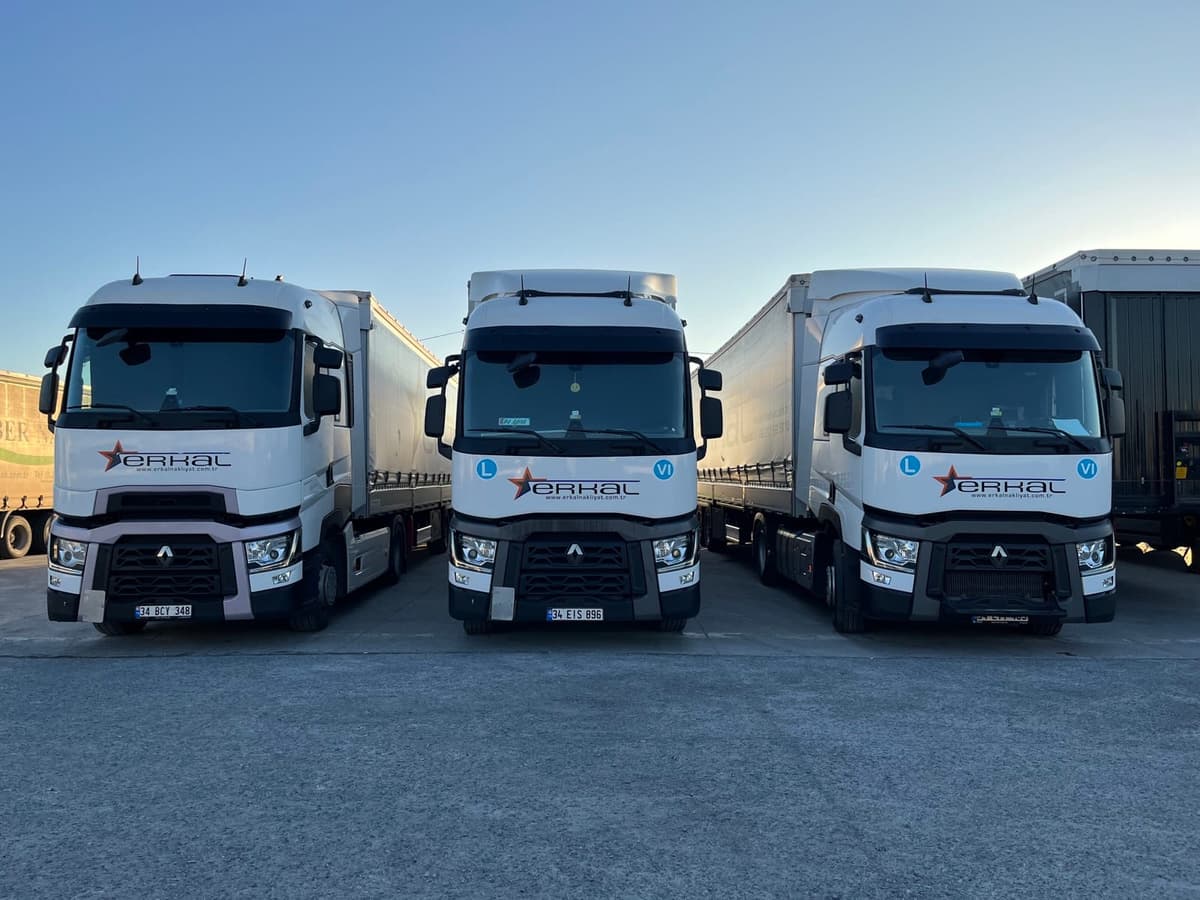
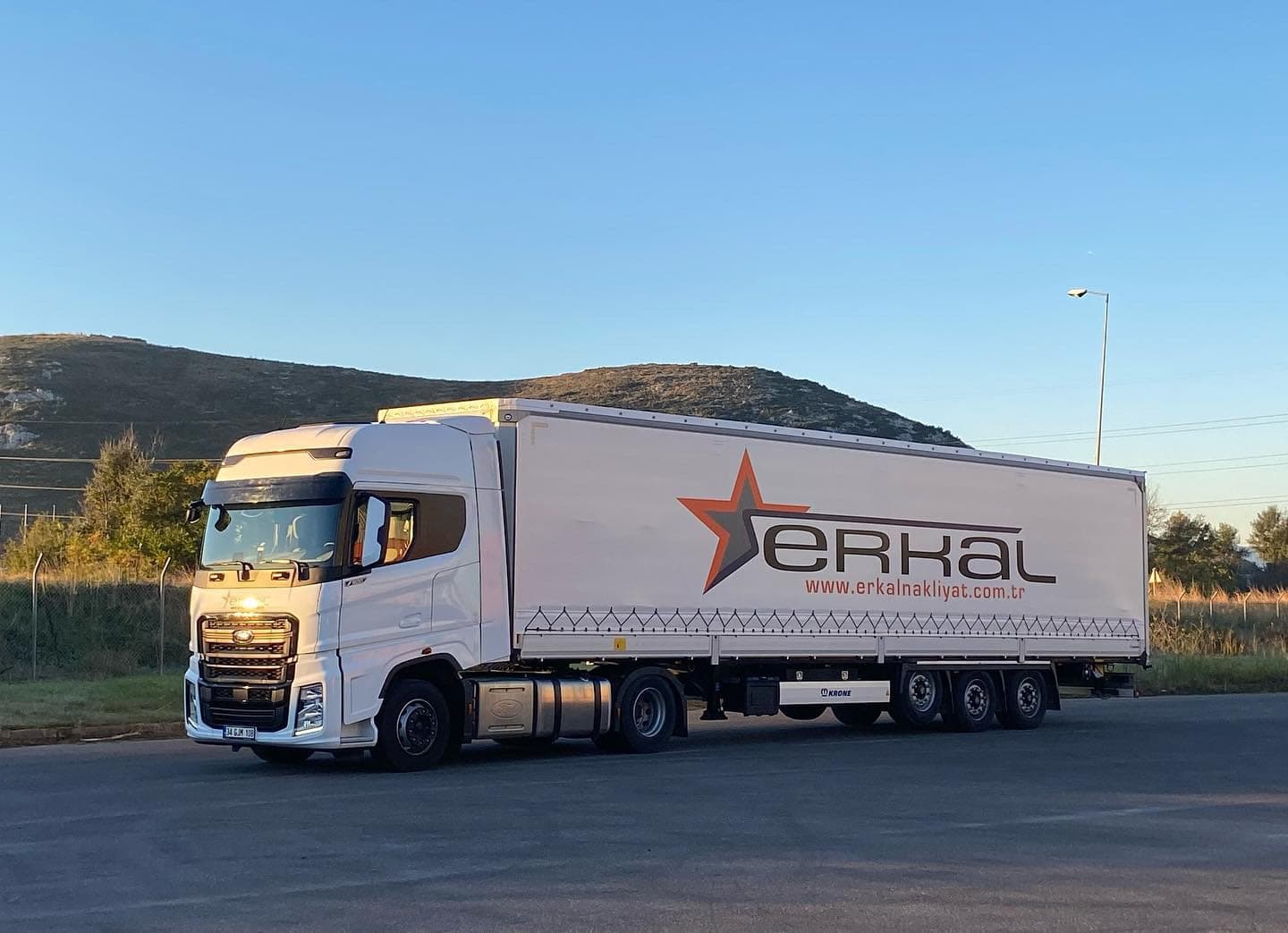
- Standard curtainsider — general purpose; loads from side, top and rear. First choice for dense cargo.
- Mega curtainsider — high-volume, low-density cargo. Greater internal height.
- Refrigerated — food, pharmaceuticals, chemicals. The directive allows 2.60 m of width for conditioned bodies, conceding 5 cm to the insulated wall.
- Rigid truck — small volumes, or addresses a semi-trailer cannot reach.
- Lowbed and special equipment — machinery too tall or heavy for a standard trailer.
The address chooses the trailer
An entrance that will not take a 16.50 m combination rules it out, however well suited. Before the vehicle is fixed we ask:
- Can a semi-trailer enter, and is there room to manoeuvre?
- How will the goods come off — ramp, forklift, crane, side loading?
- Is the warehouse appointment-based, or is delivery free within the working day?
- Are there time restrictions on heavy vehicles in the town?
Without those answers, even the right vehicle waits at the gate.
Cold chain is a separate plan
On refrigerated work the vehicle alone settles nothing. Pre-cooling before loading, recording the temperature throughout, and handing that record over at delivery are inseparable from the job. Finding a reefer is where the work begins, not where it ends.
The order of decisions
- Gross weight and volume of the cargo
- Loading metres and pallet configuration
- Density: is volume or weight the binding constraint
- Temperature, ADR or special equipment requirements
- Vehicle access and unloading method at delivery
- Departure date and the consignee's appointment
Work through that and the trailer type usually declares itself.
Where the cargo fits the standard envelope we run full truckload transport; where volume is the constraint, mega full truckload transport; where temperature is, refrigerated full truckload transport. Dimensions and a date on the quote form are enough.