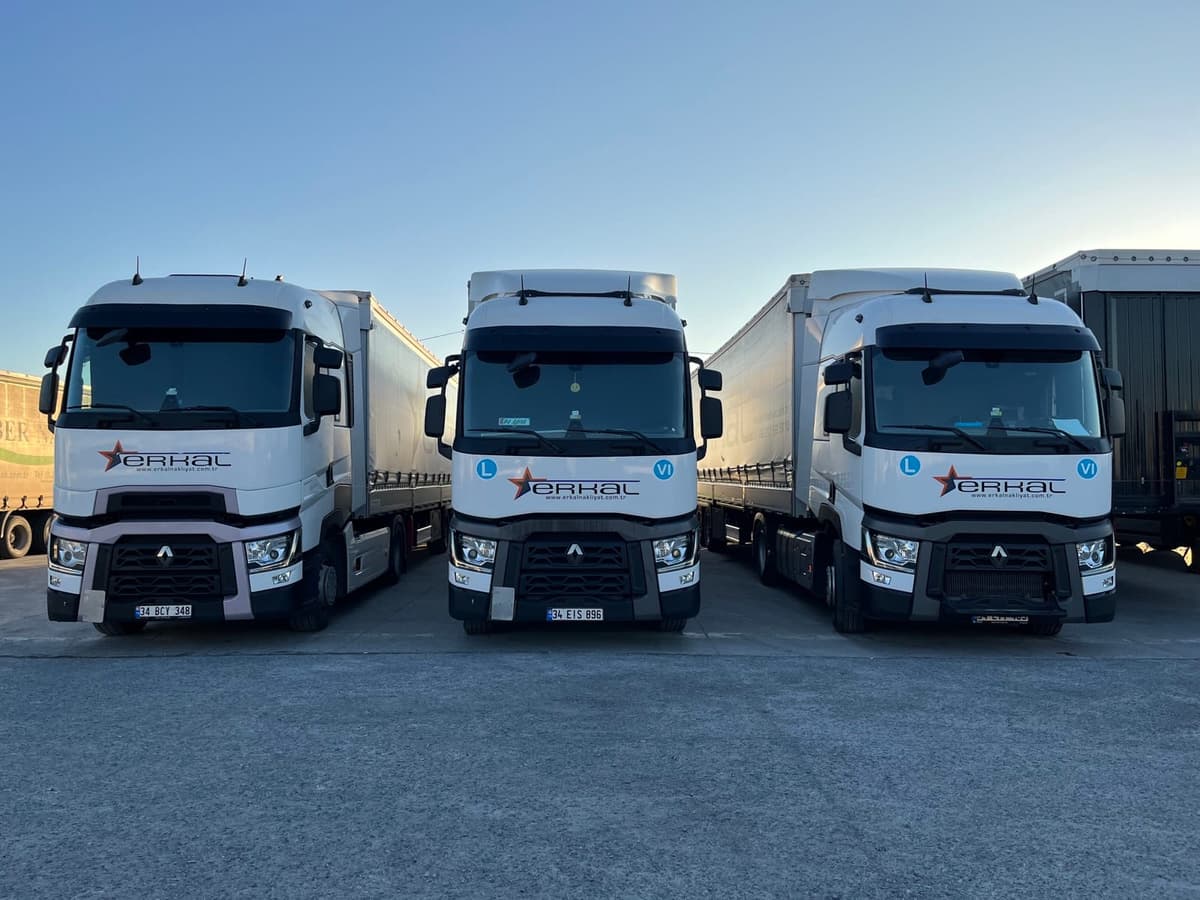
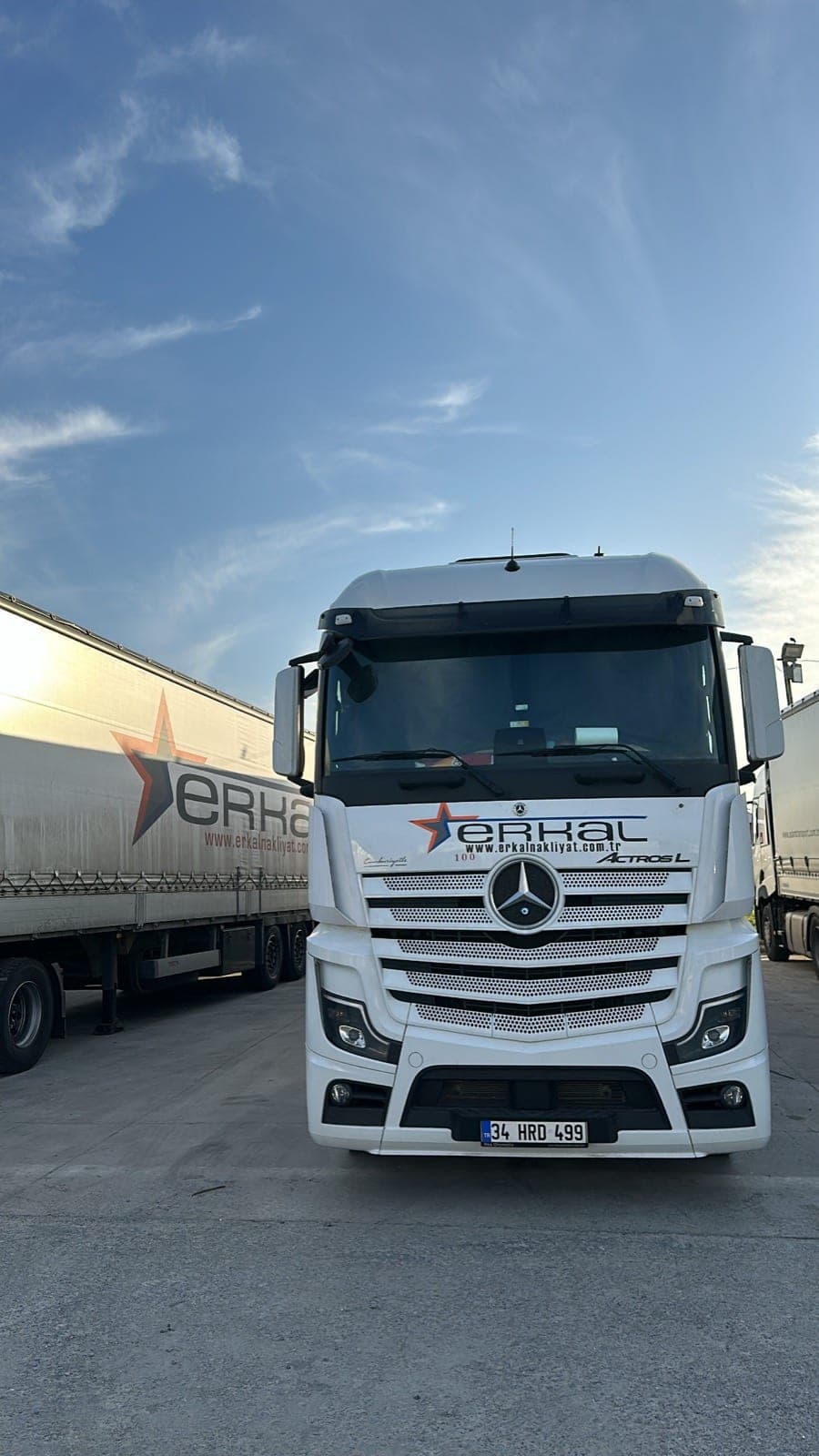
One of the first things we ask about an enquiry is the delivery term. Incoterms are not an abbreviation typed under an invoice total: they decide where the goods change hands, which cost belongs to whom, and who clears customs.
Seven of the eleven rules concern us here. The other four were written for ships.
Eleven rules, seven of them for road
The Incoterms 2020 rules, published by the International Chamber of Commerce, split into seven for any mode and four written only for sea and inland waterway carriage — FAS, FOB, CFR and CIF. The road-relevant seven:
- EXW (Ex Works) — goods at the buyer's disposal on the seller's premises. Every cost and risk, loading included, sits with the buyer.
- FCA (Free Carrier) — the seller hands over at the point the buyer names; risk passes on delivery.
- CPT (Carriage Paid To) — the seller pays the main carriage; risk passes at the first carrier.
- CIP (Carriage and Insurance Paid To) — as CPT, plus an obligation to insure on wide cover.
- DAP (Delivered at Place) — delivered to the named place; unloading is the buyer's task.
- DPU (Delivered at Place Unloaded) — delivered unloaded; risk passes after unloading.
- DDP (Delivered Duty Paid) — the seller bears everything, import clearance and duty included.
Risk and cost do not end at the same point
The most misread part of the rules. Under CPT and CIP the seller pays the main carriage to the named destination, yet risk passes far earlier — when the goods reach the first carrier. Damage in transit can therefore leave the payer of the freight and the bearer of the loss as different parties.
What changed in 2020
- DAT became DPU: delivery may be made unloaded at any agreed place, not only a terminal.
- Insurance levels diverged. CIP now requires wide cover (Institute Cargo Clauses A or equivalent); CIF stays on the narrower C clauses.
- An on-board bill of lading notation was added to FCA.
- Carriage on own means recognised under FCA, DAP, DPU and DDP.
The delivery term decides who prepares which document
Four documents on a Türkiye-to-Europe road movement are never interchangeable:
- A.TR movement certificate — free circulation under the Customs Union. As the European Commission states plainly, it does not evidence origin.
- EUR.1 movement certificate — proves origin under the relevant agreement. Replaces the A.TR for agricultural goods and former ECSC products.
- T1 transit declaration — moves goods not in free circulation under customs supervision.
- CMR consignment note — three originals under the 1956 convention: consignor, goods, carrier. Evidence of carriage and receipt, not an insurance policy.
What to tell us at quote stage
Where the term is unfixed, share the commercial expectation. With the following we can discuss vehicle, route and delivery plan:
- Delivery term, where known, and the two addresses
- Pallet count, gross weight, cubic metres, loading metres
- Packaging type and stackability
- The ready date
- The state of the customs paperwork
Three mistakes we see often
Writing EXW and expecting door delivery. The seller is not even obliged to load.
Writing FOB on road cargo. FOB is built around loading on board a vessel; on a trailer that moment never arrives.
Leaving DDP out of the costing. Duty, clearance and possibly tax registration abroad fall to the seller. Against EXW, that gap is a serious difference in cost.
Where the term is settled, we can weigh partial and groupage transport against full truckload transport using your own dimensions. Send the measurements and the date through the quote form.