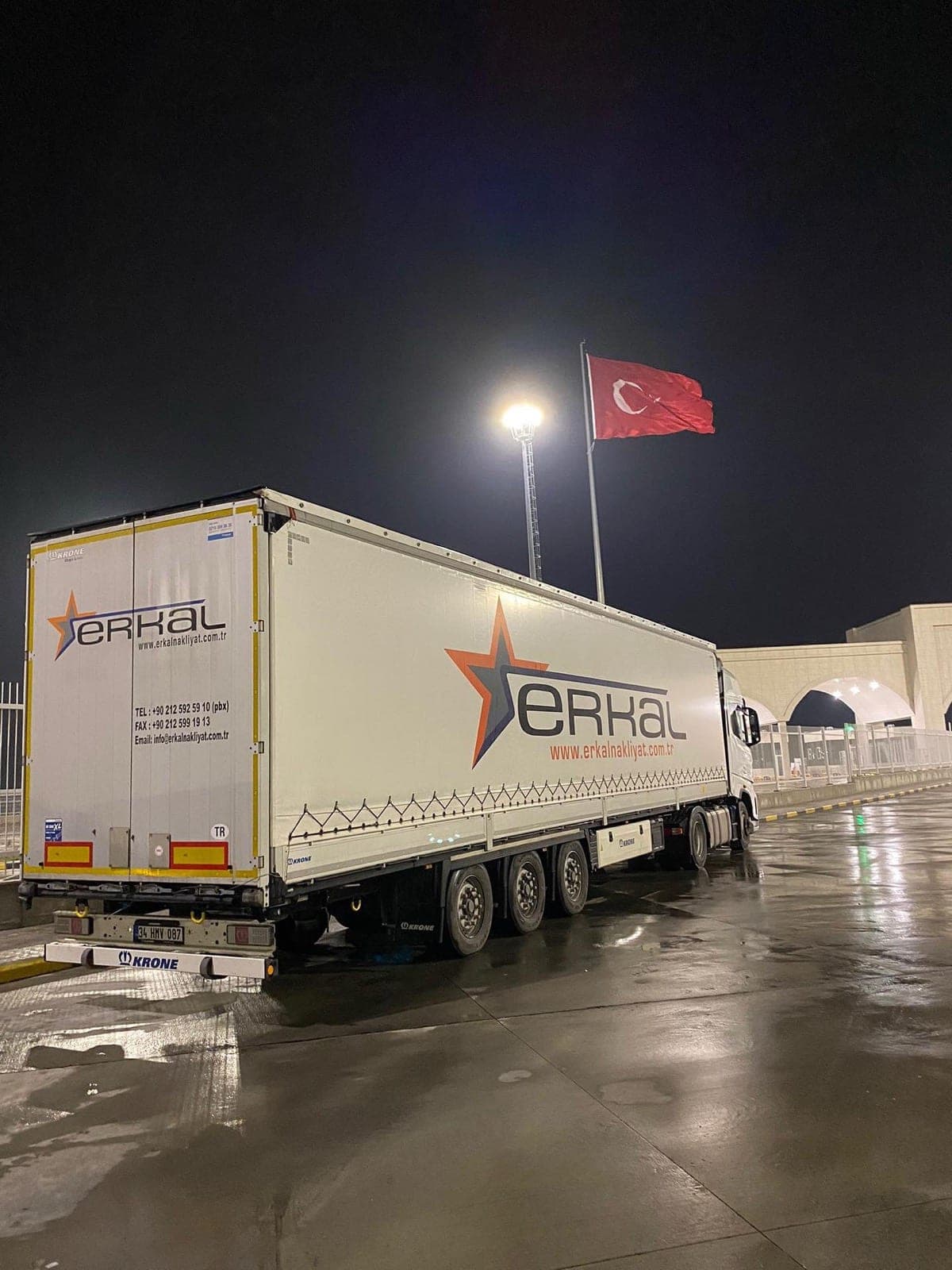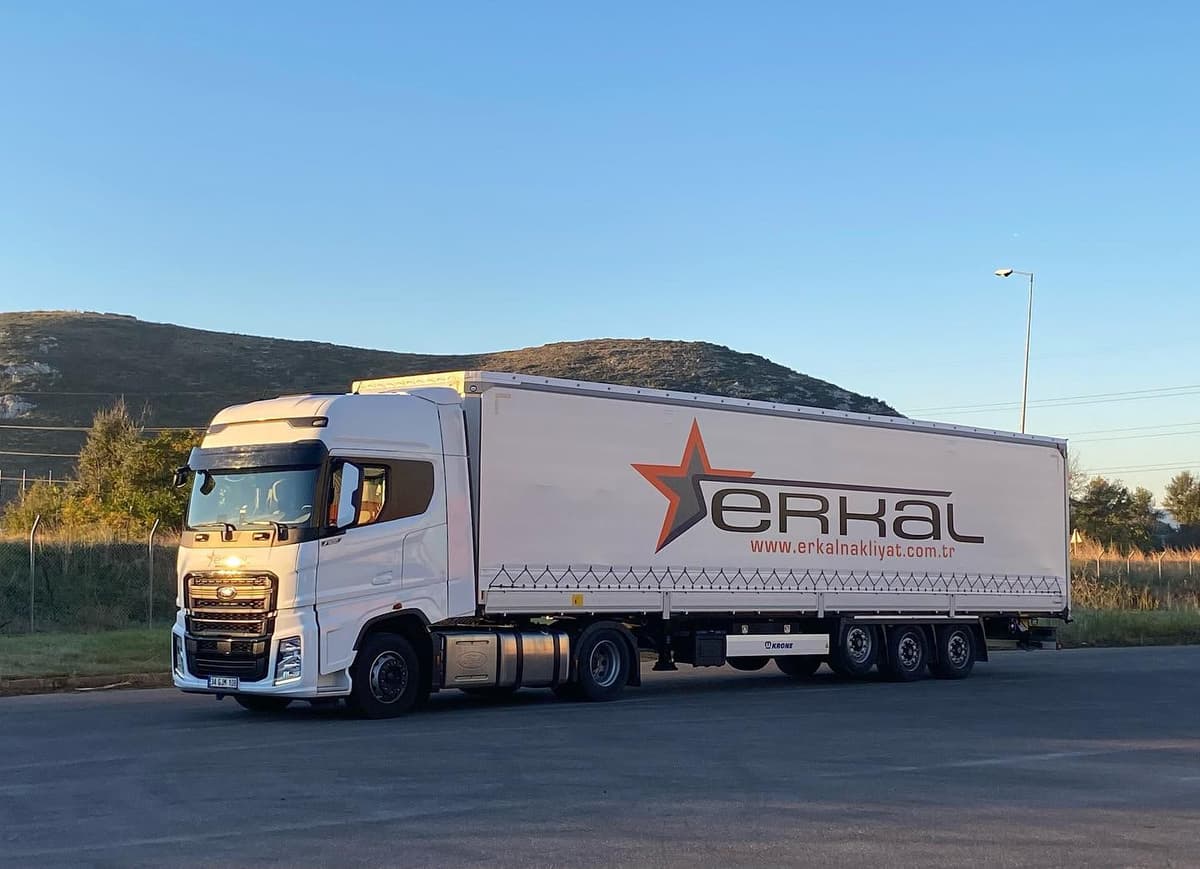
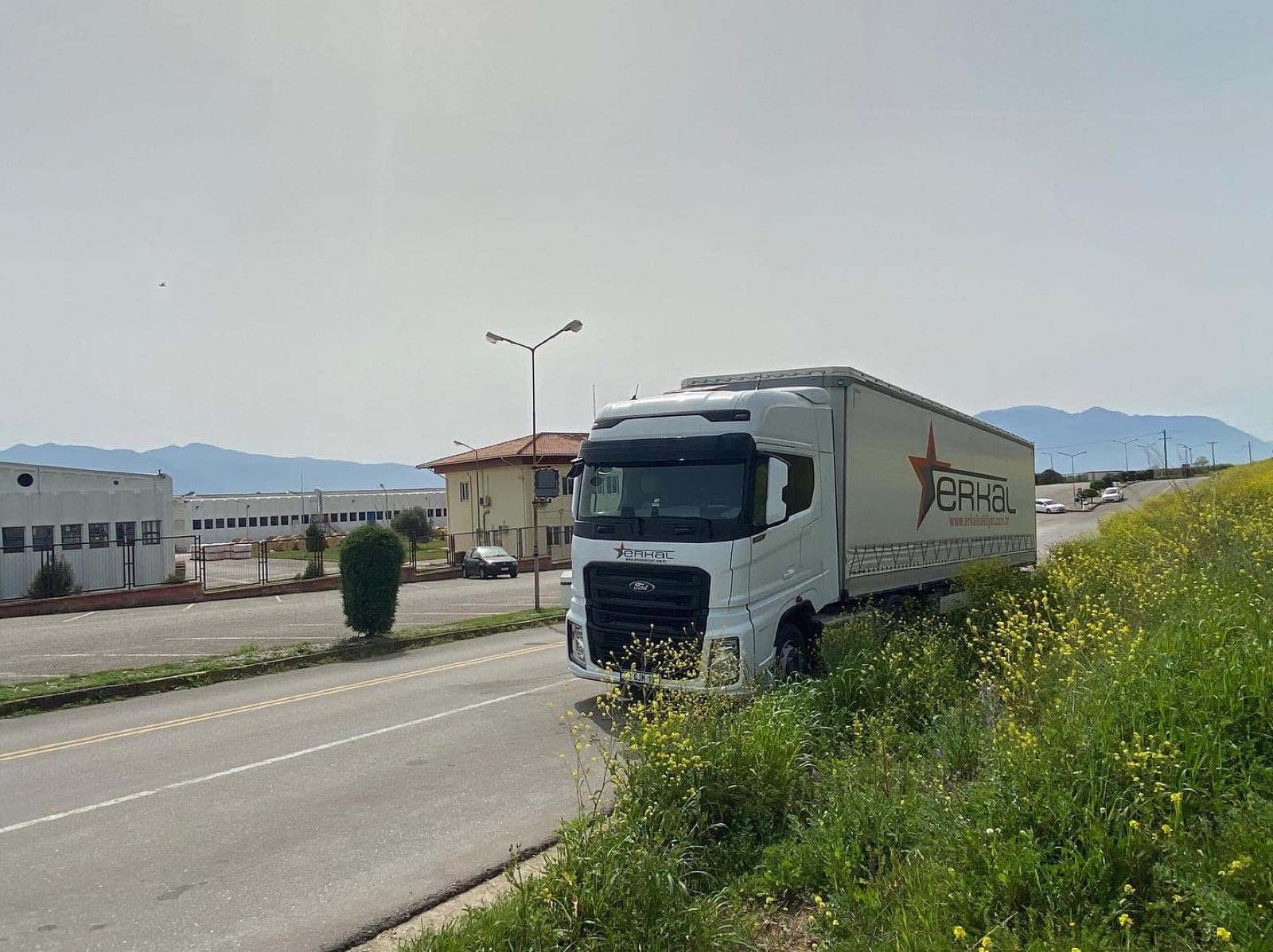
Distances across the Balkans look short on a map, yet the route crosses several countries and several borders. What decides how a shipment runs is rarely the kilometres. It is what waits at the delivery address.
A Balkan run is really several runs: different borders, different customs regimes, and different rules waiting at each unloading gate.
Leaving Türkiye: the Bulgarian posts
Freight for the Balkans leaves Türkiye through Bulgaria. Three land crossings:
- Kapıkule — the busiest and best known, facing Kapitan Andreevo.
- Hamzabeyli — the alternative to Kapıkule.
- Dereköy — the northern crossing into Bulgaria.
Which post is used depends on the traffic that day as much as the distance, and it is where an estimated arrival is most likely to move. Freight for Greece takes a different road, through İpsala–Kipoi.
One shipment, several countries
Goods bound for Serbia, North Macedonia, Bosnia and Herzegovina, Montenegro or Kosovo — none of them EU members — move under customs supervision on a T1 transit declaration.
Romania, Bulgaria, Croatia and Slovenia are EU members, so Customs Union rules apply and the A.TR or EUR.1 question arises instead.
"The Balkan lane" is not one procedure: whether the destination sits inside the European Union changes the document set from the outset.
The delivery address, most often overlooked
A delivery address is not merely a location. Whether the vehicle can enter, when, and how the goods come off are three separate questions. Before we build a delivery plan we ask:
- Vehicle access — can a 16.50 m semi-trailer, the maximum length permitted under Directive 96/53/EC, reach the address? Is there room to manoeuvre?
- Unloading method — is there a ramp, a forklift, or will it be done by hand?
- Appointment — is the warehouse appointment-based? Who books the slot, and when?
- Working hours — between which hours does the consignee accept deliveries?
- Contact person — who is called when the vehicle arrives?
- Urban restrictions — are there hours when heavy vehicles may not enter?
Answer those six and the vehicle neither waits nor travels in vain.
When there is more than one drop
Where one vehicle carries goods for several consignees, the loading order follows the drop order: the first consignment off is loaded last. Change it afterwards and the trailer has to be restowed. So we fix the sequence before departure — an address added later disturbs the whole stow.
The carrier cannot book the slot alone
At appointment-based warehouses the delivery time is agreed between consignee and warehouse. The carrier keeps to it but does not set it. Three questions need answering at the start:
- Who books the appointment: the consignor, the consignee, or the carrier?
- If the vehicle arrives early, where does it wait?
- If the slot is missed, when is the next one?
Every question left open costs hours on the day of delivery.
Winter rewrites the route plan
Winter conditions on the Balkan crossings close roads and lengthen transit. Add the driver's statutory rest schedule and a route that takes two days in summer takes longer in January. We raise this as part of the plan, not as an excuse afterwards.
On these lanes we weigh full truckload transport, partial and groupage transport and groupage and consolidation against the conditions at your delivery address. Send the address and the date through the quote form.